
Shop Online
Ordering for delivery in the greater Madison area is simple and convenient. Choose your items, enter your address, and expect a flat delivery fee of $10 or $15 depending on your location.
Midsize Plants
Filters
Filters
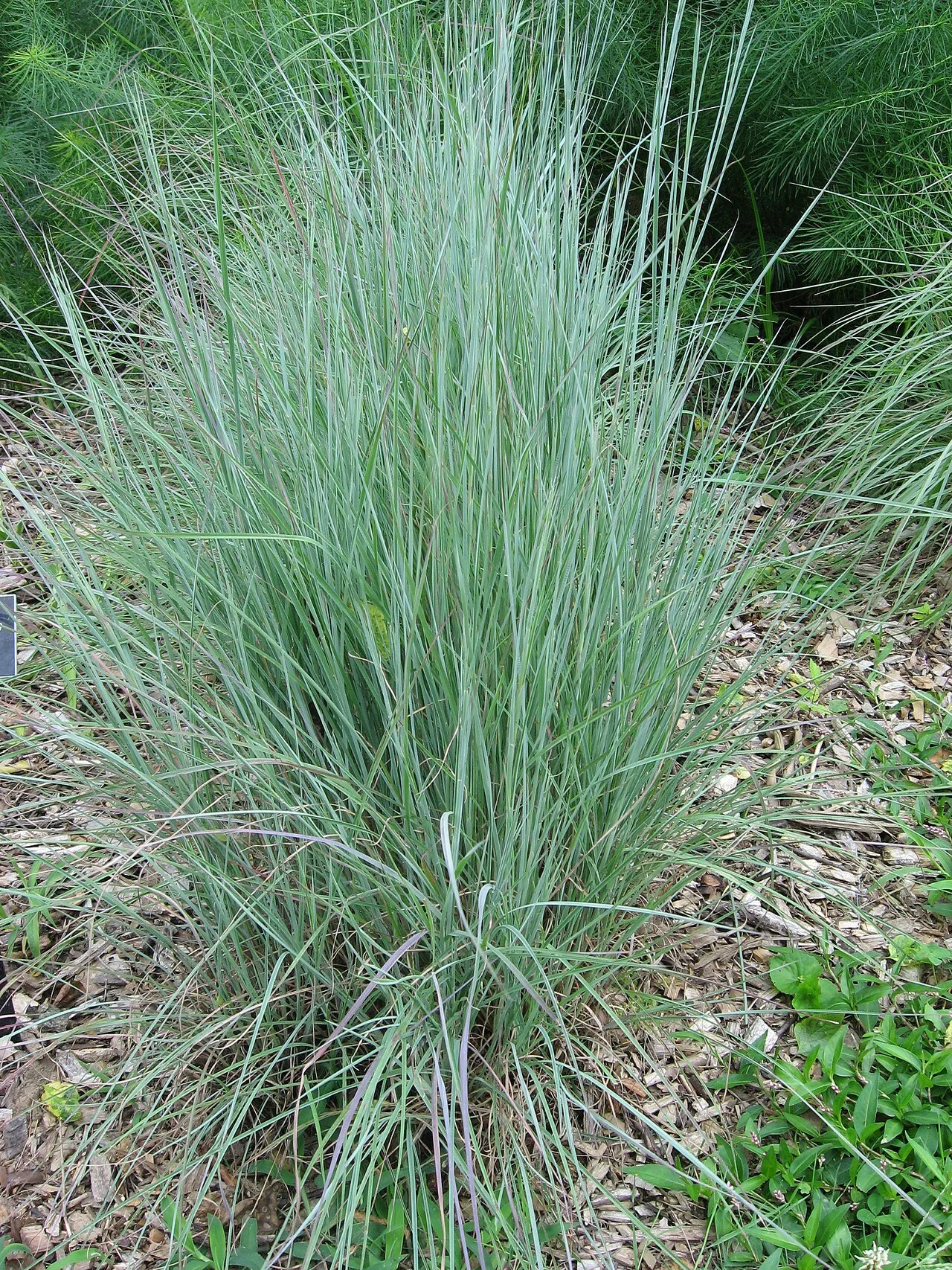
Schizachyrium scoparium
Pot Size: 3.5”
Height: 3’
Width: 1’
Color: Green, Blue
Bloom Time: July-October
Sun Exposure: Full, Part
Soil Moisture: Medium, Dry
USDA Hardiness Zones: 3-9
Little bluestem is a resilient North American native bunchgrass with blue-green summer foliage that turns to shades of bronze and orange in the fall. Schizachyrium scoparium grows 3 feet tall and thrives in tough conditions, providing year round food and shelter for local wildlife.
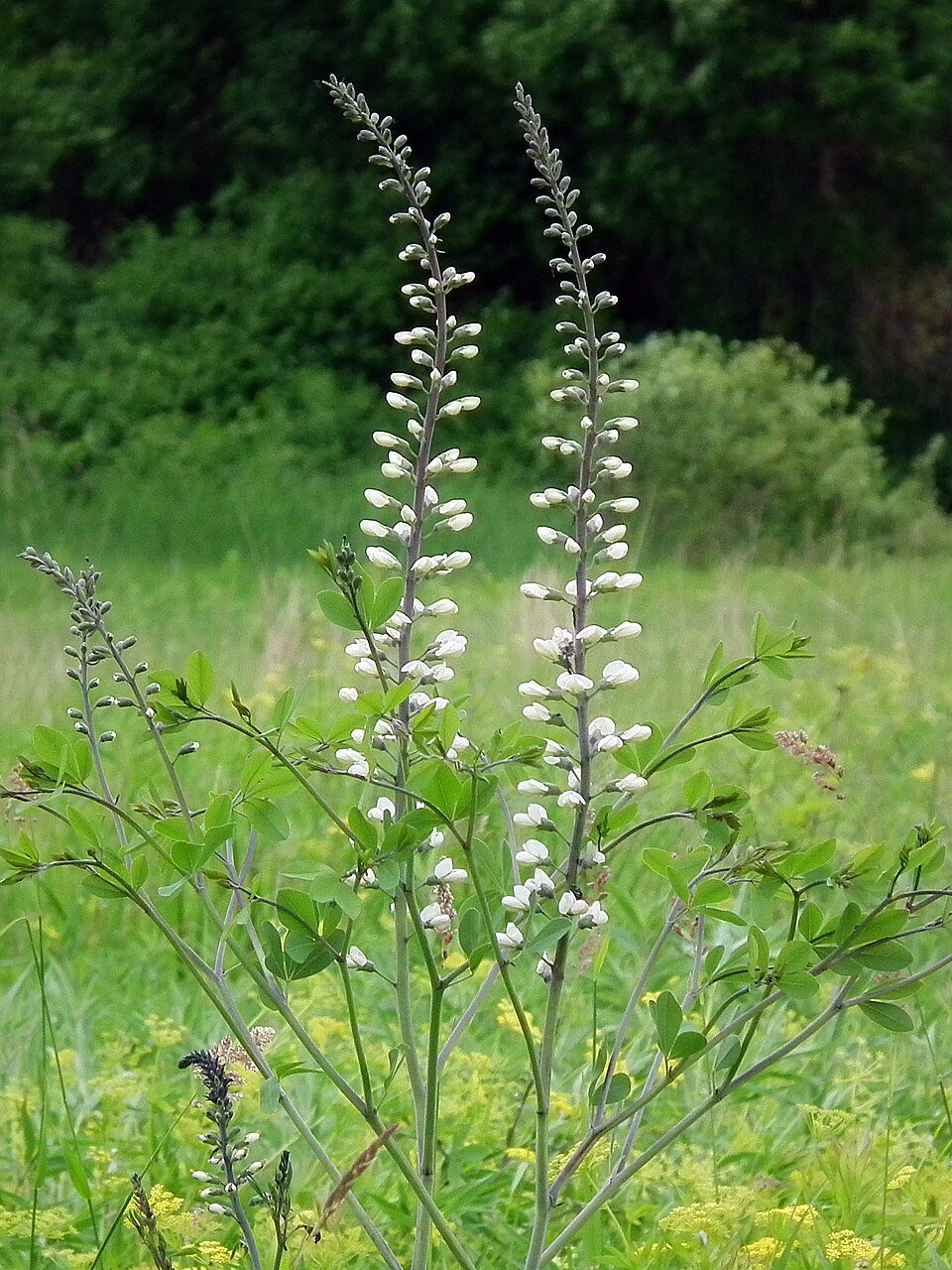
Baptisia alba
Pot Size: 3.5”
Height: 4’
Width: 3’
Color: White
Bloom Time: June, July
Sun Exposure: Full, Part
Soil Moisture: Medium-Wet, Medium, Dry
USDA Hardiness Zones: 4-9
White Wild Indigo forms a shrub like mound of blue green foliage, topped in late spring with white blossoms. After blooming, its seed pods provide winter interest and food for birds. Exceptionally hardy, deep rooted, and drought tolerant, Baptisia alba thrives in full sun and clay soils while acting as a host plant for several native butterflies, including the yellow Southern Dogface and Eastern Tailed-Blue.
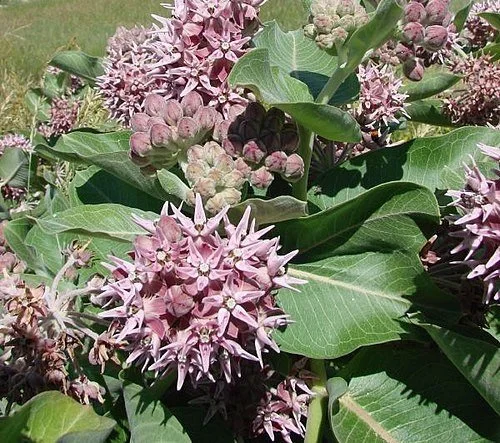
Asclepias speciosa
Pot Size: 3.5”
Height: 3’
Width: 3’
Color: White, Pink
Bloom Time: June-August
Sun Exposure: Full
Soil Moisture: Medium, Dry
USDA Hardiness Zones: 3-9
Showy Milkweed features velvety leaves and large clusters of fragrant, rose pink flowers that bloom throughout the summer. As an essential host plant, its leaves feed monarch caterpillars, while its nectar attracts a wide variety of native bees and pollinators. Perfect for water wise landscapes, pollinator pathways, and sunny borders, Asclepias speciosa thrives in full sun and adapts easily to clay or sandy soils.
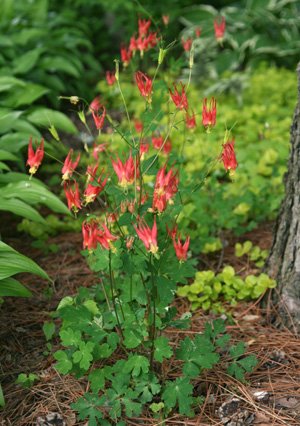
Aquilegia canadensis
Pot Size: 3.5”
Height: 2’
Width: 1’
Color: Red
Bloom Time: May-June
Sun Exposure: Full, Shade
Soil Moisture: Medium, Dry
USDA Hardiness Zones: 3-8
Red Columbine features fern like foliage and nodding red and yellow blossoms. Blooming from spring into early summer, its downward facing flowers are an early food source for hummingbirds and bumblebees. Highly adaptable and self seeding, this deer and rabbit resistant plant naturalizes to fill open gaps. Aquilegia canadensis thrives in full sun or shade and excels in well-drained soils. A well timed chop to the ground, after seeds mature, encourages new growth from the base.
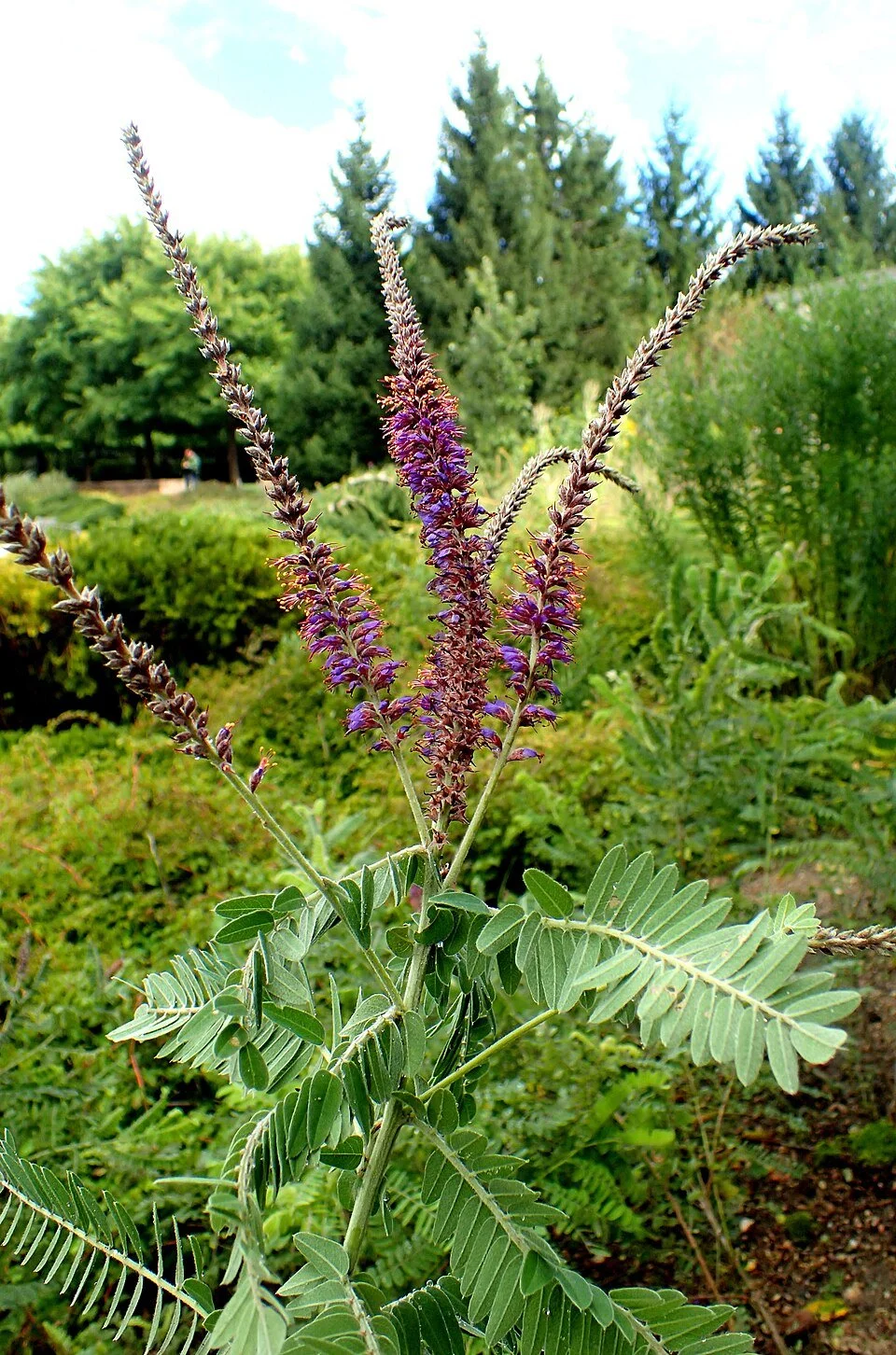
Amorpha canescens
Pot Size: 3.5”
Height: 3’
Width: 1’
Color: Purple
Bloom Time: June-August
Sun Exposure: Full, Part
Soil Moisture: Medium, Dry
USDA Hardiness Zones: 3-8
Lead plant is a nitrogen fixing member of the pea family. While slow to establish, this long lived perennial grows roots over 10 feet deep. At maturity, it features dusty, green foliage with strands of purple flowers on woody stems. Tolerant of clay or sandy soils, this plant is rabbit tolerant after it’s establishment period. The plant was speculated to be an natural indicator of lead ore deposits beneath the soil. Hosts the yellow Southern Dogface butterfly.
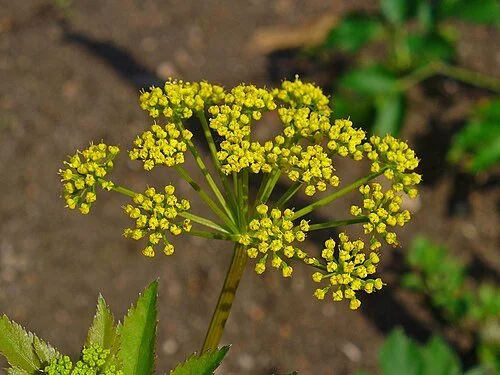

Zizia aurea
Pot Size: 3.5”
Height: 3’
Width: 2-3’
Color: Yellow
Bloom Time: April-June
Sun Exposure: Full, Part
Soil Moisture: Medium, Dry
USDA Hardiness Zones: 3-8
Golden Alexander features glossy, green foliage topped by flat, lacy umbels of tiny, yellow flowers that bloom from late spring into early summer. It fills an ecological gap by providing nectar and pollen when few other plants are active, and it serves as an essential host plant for Black Swallowtail butterfly caterpillars. Highly versatile and deer resistant, Zizia aurea thrives in full sun to partial shade and handles heavy clay and average garden soils, making it an excellent addition to meadows, and woodland borders.


Physostegia virginiana
Pot Size: 3.5”
Height: 3-4’
Width: 2-3’
Color: Pink
Bloom Time: August-September
Sun Exposure: Full, Part
Soil Moisture: Wet, Medium, Dry
USDA Hardiness Zones: 3-9
Obedient Plant, a member of the Mint family, has square stems lined with lance shaped foliage, topped by tubular, pink blossoms in mid summer. It gets its whimsical common name because individual flowers can be repositioned on the stalk and will "obediently" stay in place. Flowers are visited of bumblebees, butterflies, and hummingbirds. This deer and rabbit resistant plant spreads via rhizomes to fill open spaces. Physostegia virginiana thrives in full sun to partial shade and excels all moisture types, making it a great addition to rain gardens, meadows, and pollinator gardens.
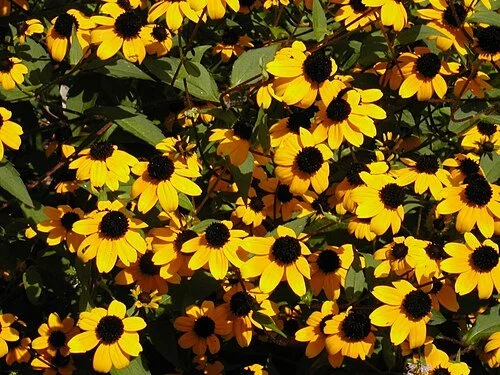

Rudbeckia triloba
Pot Size: 3.5”
Height: 4-6’
Width: 2’
Color: Yellow
Bloom Time: August-October
Sun Exposure: Full, Part
Soil Moisture: Medium, Dry
USDA Hardiness Zones: 3-9
Brown Eyed Susan is a whole bouquet in a plant! This short lived perennial self seeds prolifically and excels in areas of poor soil and can outcompete exotic annual weeds. Rudbeckia triloba produces many small flowers and can become bushy if not crowded by other plants. Makes a great cut flower for native garden arrangements.

Lobelia siphilitica
Pot Size: 3.5”
Height: 3-4’
Width: 1’
Color: Blue, Purple
Bloom Time: July-October
Sun Exposure: Full, Part
Soil Moisture: Wet, Medium
USDA Hardiness Zones: 3-9
Great Blue Lobelia features tall spikes of brilliant blue, tubular flowers that bloom from mid summer into autumn. It is a favorite nectar source for hummingbirds and bumblebees as it stands upright in your garden. Perfect for rain gardens, pond edges, and woodland borders, Lobelia siphilitica thrives in wet or medium moisture soils and partial shade, adding reliable late season color. This short lived perennial reseeds readily to form colorful clusters in your garden.

Lobelia cardinalis
Pot Size: 3.5”
Height: 4’
Width: 1’
Color: Red
Bloom Time: July-September
Sun Exposure: Full, Part
Soil Moisture: Wet, Medium
USDA Hardiness Zones: 4-9
Cardinal Flower features tall, upright spikes with tubular, crimson blossoms that bloom from mid summer into fall. The red flowers are perfect to attract ruby-throated hummingbirds. Ideal for rain gardens, wetland restoration, and moist border backdrops, Lobelia cardinalis thrives in full sun to partial shade and excels in moist, rich, or poorly drained soils. As a short lived perennial, allow to reseed in autumn for long term presence.


Dalea purpurea
Pot Size: 3.5”
Height: 2-4’
Width: 1’
Color: Purple
Bloom Time: July-September
Sun Exposure: Full, Part
Soil Moisture: Medium, Dry
USDA Hardiness Zones: 3-8
Purple Prairie Clover is a nitrogen fixing member of the pea family. With a deep taproot, this perennial is very drought tolerant once established. The blooms originate from the bottom of the “cone” upwards towards the top with a fluffy, purple flower. Some gardeners see a tutu or a top hat as the flowers progress. Dalea purpurea is a excellent plant for home gardens or prairie restoration projects.

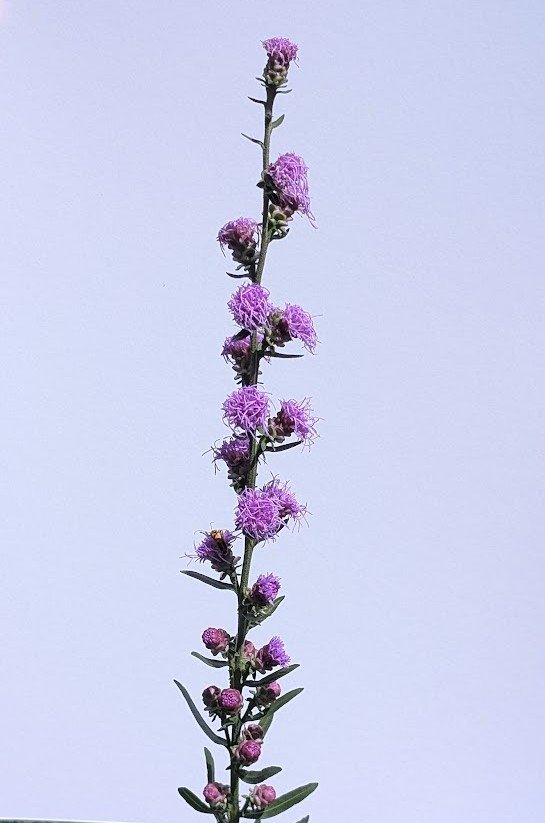

Liatris aspera
Pot Size: 3.5”
Height: 3-4’
Width: 1’
Color: Purple
Bloom Time: July-September
Sun Exposure: Full, Part
Soil Moisture: Medium, Dry
USDA Hardiness Zones: 3-8
Rough Blazing Star adds color and texture to your garden with it’s upright, pincushion shaped flowers. This perennial serves as a long lasting, high quality nectar source for Monarch butterflies and native bees. Other visiting pollinators include bumble bees, Black Swallowtails, and Painted Ladies. The long lasting flowers work great as cut stems for arrangements.


Echinacea purpurea
Pot Size: 3.5”
Height: 4-5’
Width: 2-3’
Color: Purple, Pink
Bloom Time: July-September
Sun Exposure: Full, Part
Soil Moisture: Medium, Dry
USDA Hardiness Zones: 4-8
Purple Coneflower is a staple in any native garden! It’s long lasting flowers add color and support a variety of pollinators, including butterflies and bees, from July through September. The long stemmed flowers also make a great addition to cut flower bouquets. The seeds attract Goldfinches and other songbirds in late summer and early fall.


